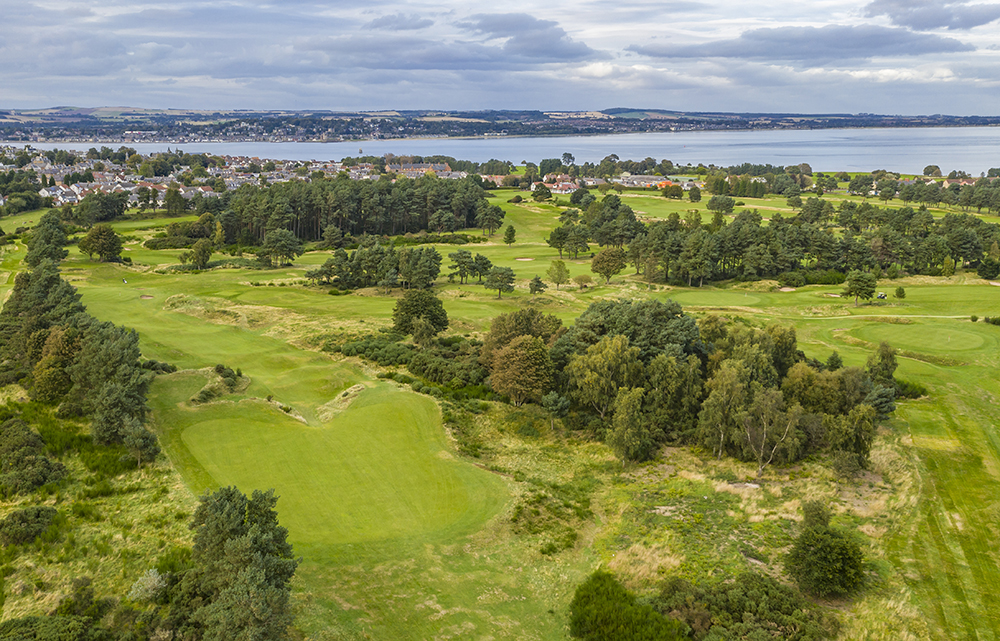
Planning a golf tour in Scotland is not simply about selecting famous names from a list. The real challenge lies in shaping a cohesive journey - one that balances world-class championship links with practical routing, realistic access, and a comfortable pace.
Scotland’s coastline offers an exceptional concentration of championship venues. Each region brings a different character, from the refined traditions of East Lothian to the raw, natural terrain of the Highlands. The difference between a good tour and a great one is how these courses are sequenced.
This guide focuses on the standout championship links to include, while also addressing how they fit into a well-structured itinerary. The aim is to create a tour that feels considered, efficient, and memorable from start to finish.
St Andrews - The Anchor of Any Championship Tour
St Andrews remains central to any Scotland golf tour, not only because of the Old Course, but due to the depth of quality in the surrounding area.
Access to the Old Course requires careful planning. Advanced bookings are limited, and the daily ballot remains the most common route. Building flexibility into the itinerary is essential, allowing multiple ballot attempts while maintaining strong alternative rounds.
Courses such as Kingsbarns and Dumbarnie Links provide a modern championship contrast, while the Jubilee Course offers a more demanding traditional test within St Andrews itself.
From a routing perspective, a multi-night stay in St Andrews is key. It allows the itinerary to adapt around Old Course access while maintaining a consistent standard of golf throughout.
East Lothian - Efficient Championship Clustering
East Lothian offers one of the most practical regions for incorporating multiple championship links without excessive travel.
Muirfield stands as one of the most sought-after tee times in Scotland, with a traditional structure and limited visitor access. North Berwick provides a completely different experience, with historic features and a more creative style of play.
Gullane No.1 adds a championship-level test with elevation and coastal exposure, while The Renaissance Club introduces a modern tournament venue into the mix.
This region works particularly well at the beginning or end of a tour. Its proximity to Edinburgh allows for straightforward arrivals and departures, while the density of courses supports a smooth playing schedule.
Ayrshire - Open Championship Heritage
Ayrshire delivers some of the most recognisable championship links in the world, shaped by their connection to The Open.
Royal Troon offers a classic test, defined by its contrasting nines and precise demands. Turnberry’s Ailsa Course combines championship pedigree with dramatic coastal holes, creating one of the most visually striking rounds in Scotland.
Prestwick, the original host of The Open, provides a more traditional and unconventional layout. Western Gailes complements the region with a pure links experience that is often favoured by those seeking something less formal but equally challenging.
Ayrshire fits naturally as a west coast segment of a tour. Courses are close enough to maintain a steady rhythm, and the region pairs well with Glasgow as a base.
Aberdeenshire - Modern Meets Traditional
Aberdeenshire adds depth to a championship itinerary, combining historic links with more recent developments.
Trump International offers a bold, modern design set among large-scale dunes, while Royal Aberdeen’s Balgownie Links presents one of the oldest and most respected championship tests.
Cruden Bay introduces a more traditional and visually distinctive layout, often regarded as one of the most enjoyable rounds in Scotland. Murcar Links adds further strength, providing a demanding yet slightly less intense complement to Royal Aberdeen.
This region works effectively as a bridge between St Andrews and the Highlands, allowing the itinerary to progress naturally north without unnecessary travel.
The Highlands - A Different Pace and Perspective
Including the Highlands transforms the tone of a Scotland golf tour. The landscape becomes more remote, the courses more natural, and the experience more immersive.
Royal Dornoch stands as one of the finest links courses in the world, known for its understated presentation and strategic depth. Nearby, Castle Stuart offers a more contemporary design with expansive views across the Moray Firth.
Nairn provides a classic championship test with a slightly more forgiving feel, while Brora introduces a unique and traditional experience shaped by its natural surroundings.
The Highlands require additional travel, but they reward those willing to extend their itinerary. The contrast with busier regions is significant, both on and off the course.
Building a Cohesive Championship Itinerary
Selecting the right courses is only part of the process. The structure of the tour determines how well everything comes together.
A strong itinerary follows a logical regional flow. Moving from East Lothian to St Andrews, then north to Aberdeenshire and the Highlands, or across to Ayrshire, reduces unnecessary travel and maintains consistency.
Pacing is equally important. Championship links demand focus and energy. Spacing out the most demanding rounds, and allowing time to enjoy each location, improves the overall experience.
Accommodation should support the route, not complicate it. Staying in well-positioned bases reduces daily travel and allows for a more relaxed rhythm across the tour.
The Value of Specialist Planning
Access to championship links is rarely straightforward. Tee times are limited, demand is high, and each course operates with its own booking process.
A structured approach ensures key rounds are secured while maintaining flexibility where required. This is particularly important for St Andrews, where ballot strategy and timing can make a significant difference.
Beyond access, the finer details shape the experience. Transfers, caddies, scheduling, and local knowledge all contribute to how smoothly the tour runs. When managed correctly, the focus remains where it should be - on the golf.
Conclusion
Scotland offers an unrivalled collection of championship links courses, but the real value lies in how they are brought together.
A well-designed tour creates a natural flow, balancing iconic venues with practical considerations. Each region adds something distinct, and when sequenced correctly, the experience builds from one round to the next.
The difference is not just in where you play, but in how the journey is planned.