A well-planned Scotland golf tour is never about squeezing in as many famous names as possible. It is about rhythm, geography, access and flow. Over 7-10 days, Scotland offers extraordinary depth, but without considered routing and tee time planning, even the most anticipated tour can feel rushed.
Designing the perfect 7-10 day Scotland golf itinerary requires understanding distances, regional clusters, seasonal daylight, ballot systems and course recovery time. This is where bespoke planning matters. At GHW, the focus is not on assembling a list of venues. It is on shaping a coherent golf tour experience that feels seamless from arrival to departure.
Choosing the Right Regions
Scotland’s strength lies in its distinct golfing regions. Each has its own character, landscape and logistical considerations.
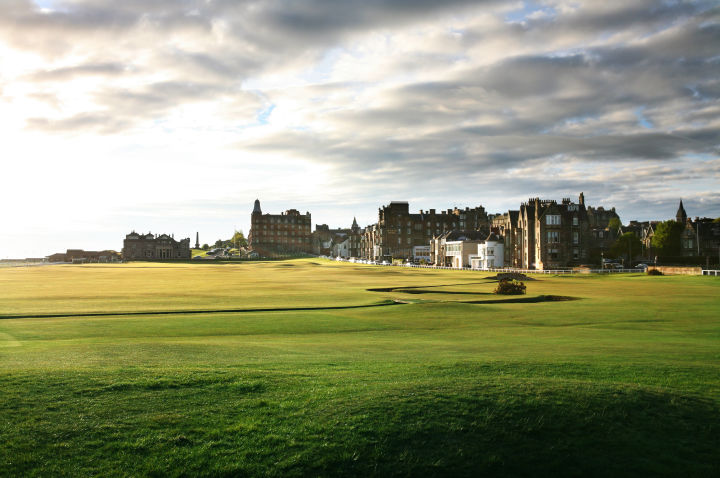
The East Coast, including St Andrews and East Lothian, provides density and walkability. Historic links sit within short transfer distances, allowing for relaxed mornings and minimal hotel changes.
The West Coast offers a more rugged atmosphere. Ayrshire, with its Open venues, delivers championship pedigree, yet requires thoughtful sequencing if combined with the Highlands.
The Highlands themselves provide drama and space, but longer driving times must be balanced carefully within a 7-10 day window.
Attempting to combine too many regions in a short timeframe often leads to unnecessary road travel. The perfect itinerary is rarely about coverage. It is about coherence.
7 Day Scotland Golf Tour - Focus and Flow
A seven-day Scotland golf itinerary works best when anchored around one primary region, with limited transfers.
For example, a St Andrews and East Lothian tour allows golfers to experience:
- The Home of Golf and surrounding championship links
- Coastal East Lothian venues within 30-40 minutes
- Minimal hotel moves
- Controlled pacing
Alternatively, a dedicated Ayrshire tour delivers Open Championship venues within manageable distances of each other.
The key is sequencing tee times to allow for recovery. Consecutive links rounds require physical energy. Walking championship courses back-to-back without spacing can diminish enjoyment.
A well-designed 7 day golf tour includes:
- Strategic rest or lighter golf days
- Thoughtful dining reservations close to accommodation
- Travel buffers for weather contingencies
- Realistic afternoon round expectations
It is not simply about availability. It is about sustainability across the week.
10 Day Scotland Golf Tour - Expanding the Experience
A 10 day Scotland golf itinerary provides greater flexibility and regional combination, but routing remains critical.
A common structure might include:
Days 1-4: East Coast base
Days 5-7: Transfer west via scenic routing
Days 8-10: Ayrshire or Highlands
However, transfers should serve the tour, not interrupt it. Moving hotels every two nights increases logistical friction. Three to four night stays often create better balance.
Daylight hours also influence scheduling. In peak summer, extended evening light allows for later tee times and flexible dining. Shoulder seasons require tighter structure.
Weather patterns vary regionally. East Coast conditions can differ significantly from the West. Strategic sequencing can mitigate disruption risk.
This is where local insight matters. Understanding not just course quality, but travel realities, shapes a tour that feels considered rather than ambitious.
Access Planning and Tee Time Strategy
Any Scotland golf tour itinerary involving St Andrews must address access planning early.
Guaranteed Old Course tee times require structured advance planning within authorised frameworks. The ballot remains an option, but should never be relied upon as the sole strategy for a flagship experience.
Tee time spacing across the tour also demands attention. Early starts across multiple consecutive days can erode enjoyment. Alternating morning and midday rounds often creates better energy management.
Routing between courses should account for traffic patterns, particularly around major hubs during summer months.
Itineraries must also consider:
- Caddie availability
- Practice facility access
- Clubhouse dining reservations
- Post-round transfer times
These operational elements are often overlooked, yet they define the smoothness of the experience.
Travel Pacing - What Makes a Scotland Trip Work Well
A successful 7-10 day Scotland golf tour feels unhurried, even when full.
Pacing is built around:
- Two high-profile rounds followed by a lighter venue
- Strategic rest mornings
- Balanced walking intensity
- Sensible driving windows
Golfers often underestimate the physical demand of links golf. Wind exposure, firm turf and walking distances accumulate over the week.
Incorporating one shorter inland or parkland round within a links-focused itinerary can provide welcome variation.
Dining and hospitality also contribute to pacing. Long post-round evenings combined with early tee times can compromise performance the following day.
The perfect trip is not defined by the number of courses played. It is defined by how each day flows into the next.
Example Itinerary Concepts
While every tour is bespoke, several frameworks consistently work well.
East Coast Classic - 7 Days
Base in St Andrews
Historic championship links
East Lothian extension
Minimal transfers
Championship Scotland - 10 Days
St Andrews region
Ayrshire Open venues
Scenic west coast routing
Structured transfer day
Highland and Links Blend - 9 Days
Inverness base
Highland championship venues
Transition south
Finale on the East Coast
Each concept prioritises regional cohesion and realistic travel times.
The objective is never to create a checklist. It is to create a narrative across the tour.
What GHW Handles Behind the Scenes
Luxury golf tour planning extends well beyond tee times.
GHW manages:
- Access strategy and application timelines
- Course sequencing and pacing design
- Accommodation selection aligned with routing
- Private transfers and ground logistics
- Dining recommendations and reservations
- Contingency planning
Every decision considers how the day will feel, not just how it appears on paper.
Experience has shown that small adjustments often produce significant improvements. Moving one round by 24 hours can transform recovery time. Adjusting hotel sequencing can eliminate two hours of unnecessary driving.
These refinements are rarely visible at first glance, but they are felt throughout the tour.
Expectations and Realism
Scotland’s reputation rightly draws high demand, particularly between May and September.
Securing preferred tee times requires forward planning. Prime championship venues do not operate on short notice.
Weather flexibility is also part of the experience. Conditions shift quickly. A well-planned itinerary allows for this without compromising overall structure.
Most importantly, a perfect Scotland golf itinerary recognises that the journey is cumulative. Each round builds towards a final day that feels deserved.
Conclusion
Planning a 7-10 day Scotland golf tour is as much about restraint as ambition. The finest itineraries are not the busiest. They are the most balanced.
Regional focus, intelligent routing, access strategy and thoughtful pacing determine whether a tour feels seamless or strained. Scotland offers unmatched depth. Unlocking it requires experience-led planning.
A bespoke approach ensures that each element supports the next, creating a tour that is cohesive, measured and memorable.